

White fish and shellfish are also good lean protein sources but aren’t quite as high in omega-3s. Obeid adds that the Mediterranean lifestyle promotes eating fruits and nuts as snacks and to satisfy your sweet tooth, as well as including non-starchy vegetables with your meals every single day. In addition, in an evidence-based analysis of 10 popular eating patterns, the American Heart Association gave the Mediterranean diet some of its highest marks. Only the DASH (Dietary Approaches to Stop Hypertension) diet received a better score. Research suggests /trustpilot/ that following the Mediterranean plan is good not only for weight loss, but for weight-loss maintenance. One study found that people who stayed committed to the Mediterranean way of eating during the post-dieting period had a twofold increased likelihood of maintaining their weight loss.
What foods are not part of the Mediterranean diet?
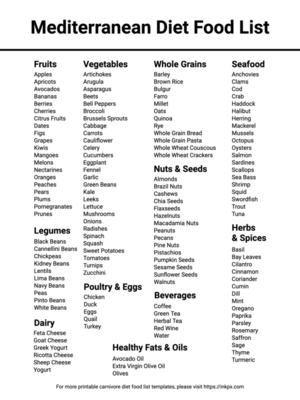
The name is slightly misleading because it refers to more of a dietary pattern — of which there are slight variations — rather than a single regimented diet. Enjoy yogurt, too, but choose plain, fermented and Greek when possible. Skip the high-added-sugar, flavored yogurts, as too much added sugar can have negative health effects over time. It was first widely publicized in the 1975 book How to Eat Well and Stay Well the Mediterranean Way by Ancel and Margaret Keys. This blog was written by Fatima Catolos and review by our registered dietitian Haley Kanada. “You don’t have to change your diet overnight. Begin by trying the Mediterranean lifestyle principles that sound most achievable for you and go from there.”
What are the health benefits?
Unlike many other trendy eating patterns, the Mediterranean diet is meant to be easily customizable and can work with various cuisines and preferences. Rather than a strict meal plan, it’s a way of eating that emphasizes enjoying whole foods and regular physical activity. Lainey is a weight-loss dietitian who helps people ditch diets, change their habits and create a healthy lifestyle that lasts. She has Master’s in Nutrition Communication from the Tufts Friedman School of Nutrition Science and Policy and completed her dietetics training at Massachusetts General Hospital, a Harvard teaching hospital. She writes on a variety of topics including weight loss, gut health, pregnancy, breastfeeding and trendy diets.
What are the benefits of a Mediterranean diet?
Check to see if the nutritionist is licensed or certified to practice. The primary organization of qualified nutrition professionals is the Academy of Nutrition and Dietetics. “It allows the patient or the client to see that within health care you can have more than one encounter with somebody who actually cares whether you made the planned behavior changes and helps you to reach your goals. Samuel-Hodge said it is most helpful for those who follow the Med-South program to focus on adding variety to what they already eat rather than eliminating foods. In another study, researchers pointed to the plan’s larger focus on lifestyle (diet quality, physical activity, sleep habits) as a likely reason for keeping the pounds off. These protein-rich, lean meats are welcome in the Mediterranean diet, but eat them less often.

Who can help me start the Mediterranean diet?
- A review of 185 studies, many completed within the past decade, published in 2022 in the journal Nutrients also found health benefits for lowering the risk of type 2 diabetes, obesity and cancer.
- Have community health workers deliver the program to improve accountability and lower cost.
- With that said, these cheeses also tend to be higher in sodium, so if your body is sensitive to sodium, choose lower-sodium cheeses to eat in moderation.
- This way of eating has quite a bit in common with the Mediterranean diet, with an emphasis on fish, plant-based foods and whole grains.
- Obesity screening and counseling is covered if it is received in a primary care setting.
- Her work has appeared in Women’s Health, Prevention, Health and Reader’s Digest.
In the years since the Seven Countries Study, subsequent research has shown a significantly decreased risk for cardiovascular disease among people who follow the Mediterranean diet. A review of 185 studies, many completed within the past decade, published in 2022 in the journal Nutrients also found health benefits for lowering the risk of type 2 diabetes, obesity and cancer. As the researchers began investigating the potential reasons, most, if not all, arrows pointed to diet. People living in the Mediterranean countries didn’t eat exactly the same foods, but they did all eat, for the most part, a plant-based diet. And that diet seemed to have a protective effect on heart health and longevity.
What Is the Mediterranean Diet? (With Meal Plan Ideas & Tips for Getting Started)
The Mediterranean diet is a well-researched way of eating that can help improve overall health. These are scientifically proven to reduce the risk of chronic conditions like heart disease. The Mediterranean diet has been linked to health benefits including longevity, improved heart health and reduced risk of chronic conditions. The dietary pattern doesn’t always match local flavors and food preferences, but researchers at the University of North Carolina are working to change that. The Mediterranean diet has consistently been rated as the top overall diet for health, per U.S. Unlike many other diets, it’s not restrictive, nor does it cut out whole food groups.
Fish
Food pantries that stock fresh produce, for example, can help fill the gap for families and individuals when fresh produce is not financially accessible, and health centers can help connect people to such resources. Samuel-Hodge said she has noticed other benefits beyond weight loss and improved health from the lifestyle changes. “The benefit to [these populations] of modest weight loss and adopting a Mediterranean dietary pattern is really great,” Samuel-Hodge said. Try swapping refined grains like white bread, white rice and pasta for whole grains like corn, brown rice, quinoa, bulgur, barley and farro.
Dairy
Adopting healthier eating habits, such as a Mediterranean diet pattern, is one of the ways people can reduce their risk for developing these chronic conditions. Social interactions are one of the social determinants of health, so when community health workers can build relationships with patients who are trying to make dietary changes and lifestyle changes, it can improve clients’ outcomes. “This lifestyle encourages diversifying your protein intake by including more plant-based protein, fish and shellfish, white cheeses, skinless chicken and limiting the amount of red unimeal-review trustpilot meat,” says Obeid. “It is also important to minimize the amount of processed foods during the week.”
Make Vegetables the Main Part of Your Meal
UNC faculty developed a spin on the Mediterranean diet known as the Med-South diet — a program that follows the patterns of the Mediterranean diet and incorporates a Southern twist. The diet is part of a lifestyle program that is undergoing clinical trials to determine whether it can be effective for long-term weight loss and understand how health centers can effectively deliver the program to patients in need. “I encourage thinking of it more as a lifestyle,” recommends Lea Obeid, a dietitian at Houston Methodist.
Public Health Lessons Learned From the Lifestyle Program
Funding is also a barrier for health departments and community health centers that want to implement lifestyle programs such as Med-South — particularly in areas that serve high-risk populations or patients who are uninsured or underinsured. Adopting a Mediterranean eating pattern can sound overwhelming, especially if your busy lifestyle makes it hard to prepare fresh food. It can also sound challenging because we’re not as familiar with the types of food and different recipes offered in a Mediterranean lifestyle.